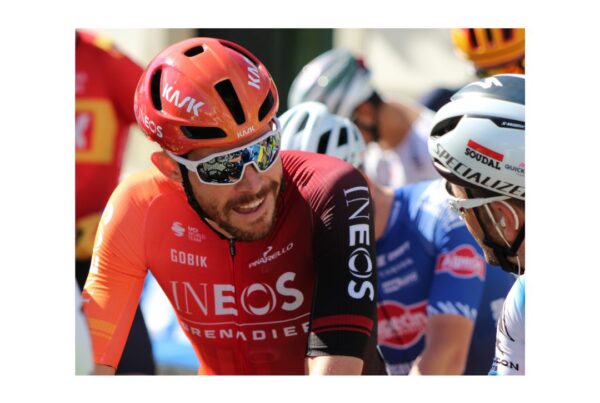
Vekta launched the first of their new webinar series called “Inside the Preparation” and it featured FDJ United – SUEZ cyclists Juliette Berthet. During this 45-minute webinar, she talked about key points regarding the training, preparation, and professional life.
Given the Vekta is pioneering the use of Artificial Indigence (AI) in the training space, I thought it would be interesting to do the same for this article.
I recorded the webinar, used AI to transcribe the session, before getting AI to extrapolate the key points from the session. Below are the key messages as viewed by AI.
Training Camp Structure and Routine
Professional training camps differ significantly depending on the time of year:
- December Camps: These are focused on building a base and are packed with administrative tasks and meetings rather than peak performance training.
- Duration: Winter camps typically last about 10 days, while mid-season altitude camps usually last 21 days to maximize physiological adaptations.
- Daily Schedule: A typical day includes breakfast, mobility and core activation, and a training ride lasting between four and six hours.
- The “Behind-the-Scenes”: Camps involve critical non-riding activities such as bike fitting for comfort and performance, medical check-ups including concussion protocols, and nutrition reviews.
The Science of Altitude Training
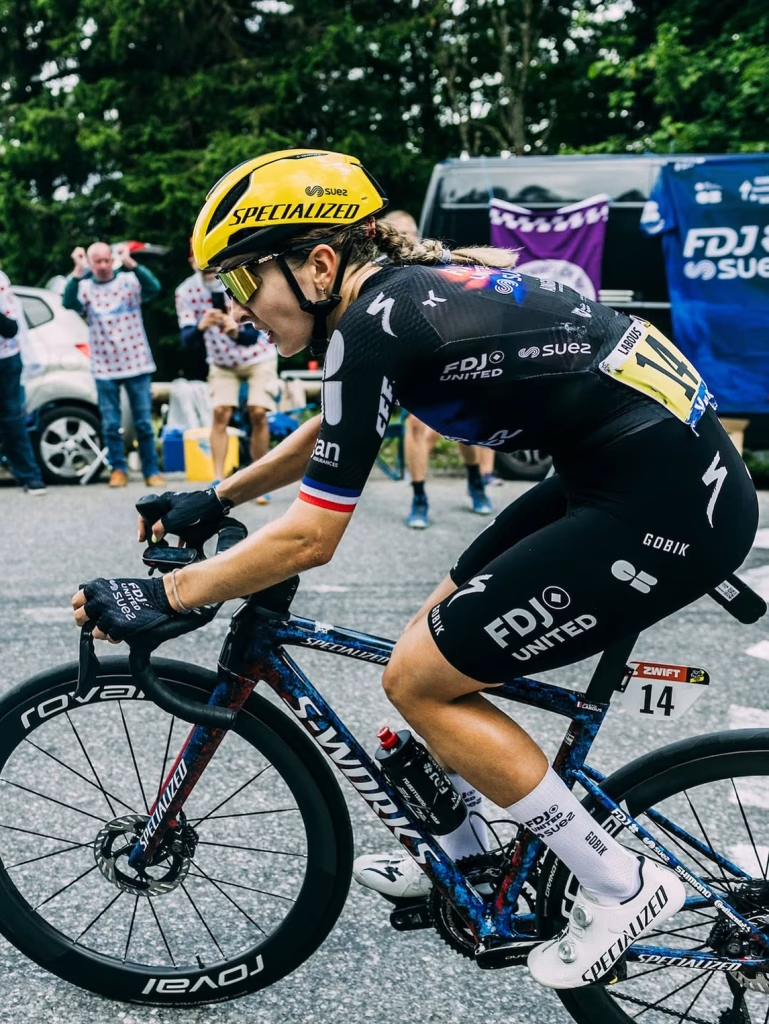
Altitude training is a cornerstone of modern professional cycling preparation.
- Physiological Goals: Staying at high altitudes stimulates the body to produce more red blood cells and hemoglobin. This improves the blood’s ability to transport oxygen to the muscles once the rider returns to sea level.
- Training Focus: Sites like Tenerife allow for long, continuous climbs (up to three hours), which are essential for preparing for Grand Tours.
- Altitude Chambers: Some athletes now use home altitude chambers to simulate high-elevation environments while maintaining the ability to train on flat roads or spend more time with family.
Modern Season Planning and Philosophy
The professional racing calendar has grown significantly, forcing riders to be more selective.
- Selective Racing: To maintain a “peak of shape,” riders can no longer compete in every World Tour race; they must target specific goals like the Tour de France or the Vuelta.
- Polarized Training: A common misconception is that professionals ride “full gas” all the time. In reality, they follow polarized training, which involves riding very slow during endurance blocks and very hard only during specific efforts.
- Recovery and Flexibility: Balancing volume with intensity requires listening to the body. If a rider feels sick or overly fatigued, they must be flexible enough to adjust or skip planned efforts.
Specific Training Efforts
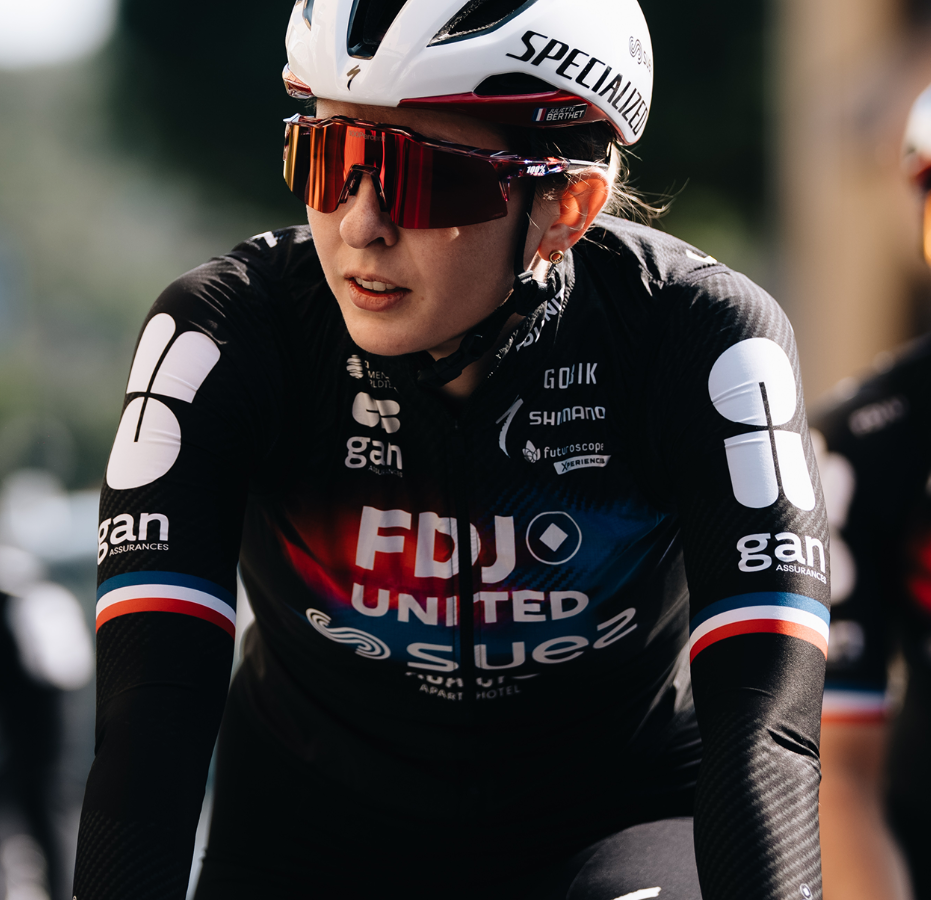
Juliette highlighted several high-intensity sessions used to build race-ready fitness:
| Session Type | Description |
| Hypoxic Sprints | Repeated six-second sprints with 14-second rests at high altitude. |
| Over-Unders | Long blocks (e.g., 18 minutes) on a Time Trial (TT) bike to manage sustained power in a specific position. |
| Favorite Session | VO2 efforts (1.5 minutes at high power) immediately followed by a 30-second full-gas sprint to simulate race conditions. |
Advice for Amateur Athletes
- Foundation First: Amateurs should focus on building a strong winter base and ensuring their bike fit is correct to avoid injury.
- Goal Setting: Planning ahead and setting specific targets is more effective than riding without a structure.
- Nutrition: Athletes must eat enough to fuel their performance; Juliette emphasizes that professionals eat quite a lot and finding a balance between performance and enjoyment is key.
- Youth Development: For 16-year-old riders, the primary focus should be on having fun and participating in group rides rather than overtraining.
Summary
In summary, Juliette’s insights were interesting and shows that a fundamental difference between professional and amateur cycling are the training camps. These professional training camps are meticulously structured to enhance performance through a combination of altitude training, selective racing, and a focus on recovery. For amateurs, it’s simply not feasible to realistically undertake the level and sophistication of training that they participate in. However, there is limited things that as amateur you can do to be the best version you can be as noted above.