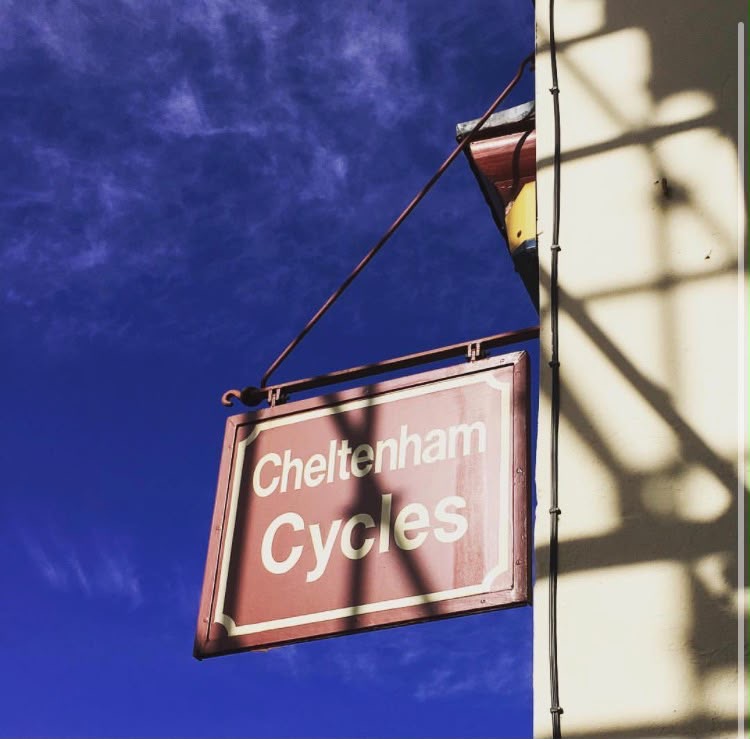
There are bike shops you visit to buy a bike, and then there are bike shops you frequent because you know the people. Cheltenham Cycles firmly belongs in the second category.
Based on the doorstep of the Cotswolds, with its rolling roads, quiet villages, and plentiful climbs, Cheltenham is ideal cycling country. It’s also home to a shop that has spent more than 30 years helping riders find the right bike and, more importantly, keeping them riding.
For over three decades, this independent shop, founded by John Rowland, has been an integral part of Cheltenham’s cycling scene. It has navigated an industry transformed by the internet, online sales, the rise of sportives and gravel bikes, COVID-19, supply-chain chaos, and the post-pandemic bike glut. Through it all, its philosophy has remained simple: selling a bike is only part of the job; understanding the person who will ride it is what truly matters.
I sat down with long-standing team member Ben Davies to discuss the shop’s success, which is underpinned by a team that has worked together for over 25 years. We talked about its evolution through the eras of Trek, Lance Armstrong, and COVID-19, as well as whether the traditional bike shop still has a place in an increasingly digital world.
It Started with a Pair of Nike Shoes
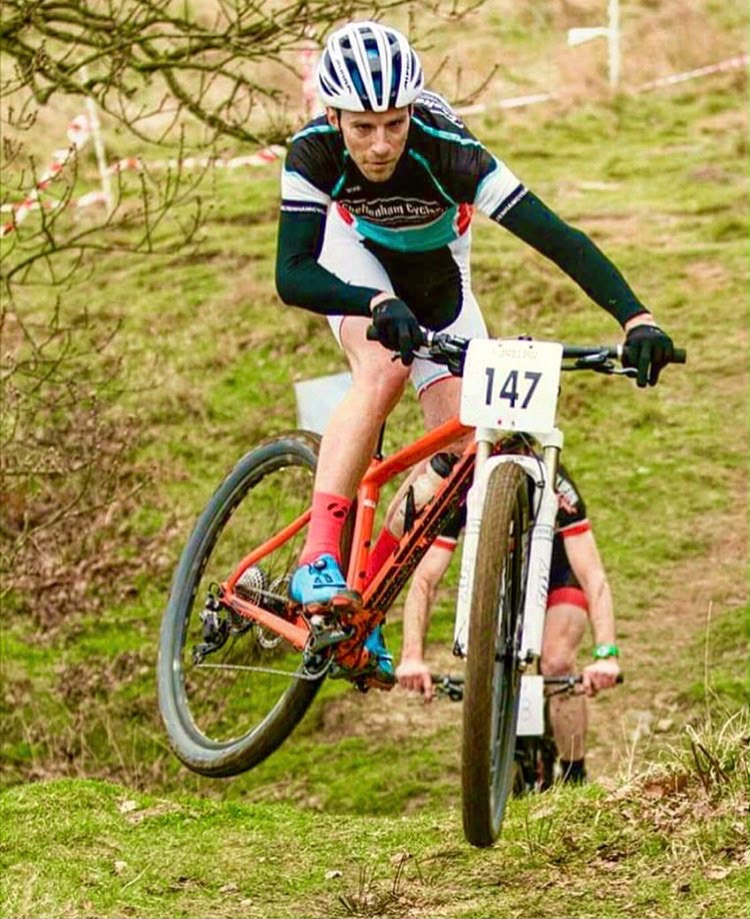
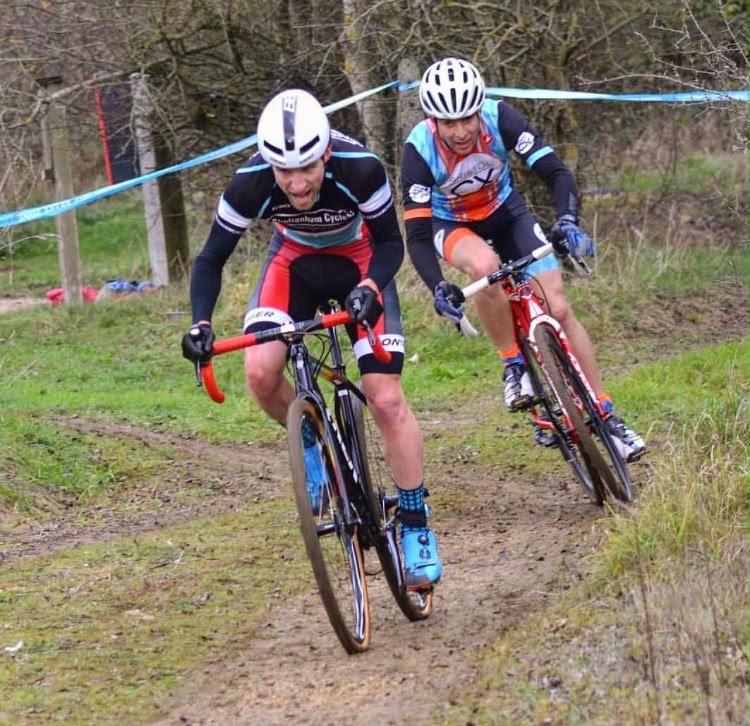
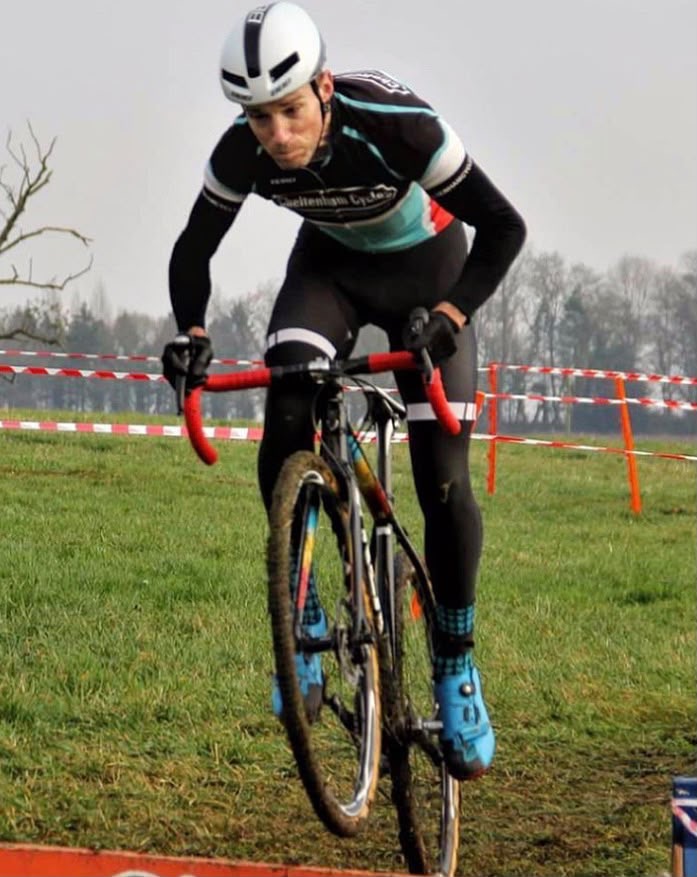
Ben’s relationship with Cheltenham Cycles began in 1992, at age 16. His newfound obsession with mountain biking led him to the shop in search of the Nike shoes worn by his hero, John Tomac, along with a pair of SPD pedals. A year later, that customer relationship became more serious when Ben joined the shop’s team for the inaugural UK Red Bull 24-hour mountain-bike race, helping secure second place in the non-professional category. After a year of sponsorship, John offered Ben a job in 2000. He accepted, turning his passion for cycling into a career and beginning a relationship with Cheltenham Cycles that would last for decades.
Building the Team
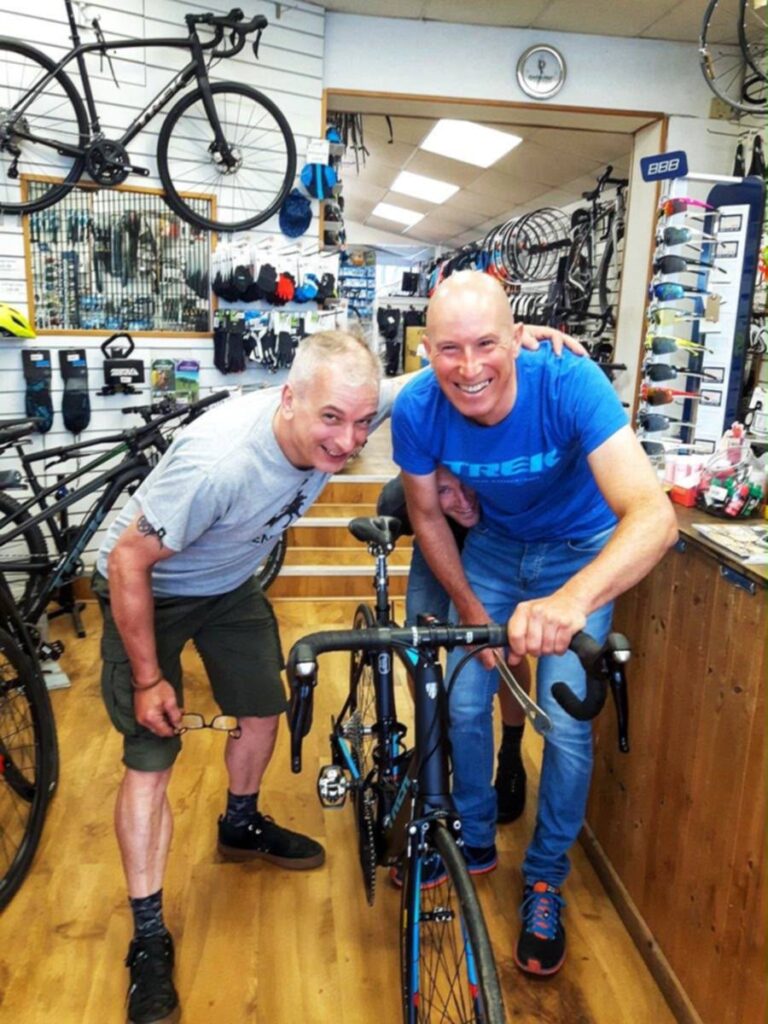
Underpinning the shop’s success is a remarkably stable team that has worked together for over 25 years—a team built not through a grand recruitment strategy, but through relationships. Following Ben’s recruitment, as the business grew, a new full-time mechanic was required. Pete joined, having known John for decades through the Cyclists’ Touring Club and their shared cycling backgrounds. Mike arrived soon after, initially stepping in to cover John during a family holiday after leaving a career in the civil service. He proved good enough to stay, becoming—as the team joked—Cheltenham’s oldest Saturday boy. Alongside Ben and John, Pete and Mike became the core team: different personalities and skills, but united by a shared understanding of what the shop should be, which is where the customer is at the core.
The Right Bike, Not the Most Expensive Bike
The difference between a great bike shop and a great online retailer becomes obvious the moment a customer steps inside. They might walk in certain they already know the exact model they want, but Cheltenham Cycles starts somewhere else entirely: with questions. Where do you ride? How often? What do you enjoy? What are you aiming for? And crucially, what do you actually need?
Because someone training for a 40‑mile charity ride doesn’t need a full‑blown carbon race machine just because it looks fast on a website. The right bike is the one that matches the rider, not the one with the longest spec sheet. That matters even more now that customers often arrive having absorbed endless online reviews, geometry comparisons, and gear ratios. When the team doesn’t know something, they simply say, “I don’t know — let me check.” That kind of honesty is how real relationships form, and it’s the part of the buying experience the internet can’t replicate.
More Than a Bike Shop
People come in because they need something, but just as often because they want to talk, check a noise, get a second opinion, or simply be around people who understand bikes. That sense of community has helped the shop endure while the retail landscape has shifted. Cheltenham Cycles sticks to what it does best: bikes, servicing, and knowing its customers. It doesn’t need to become a coffee shop, lifestyle store. As Ben says, “We know a lot about bikes—we don’t know a lot about coffee.”
The Importance of Getting Things Wrong
The real test of a bike shop isn’t when everything goes right — it’s what happens when something doesn’t. A creak develops, a component fails, or a repair doesn’t quite fix the problem. At Cheltenham Cycles, the philosophy is simple: sort it out.
That approach is built on knowing the customer as much as the bike. One rider might barely notice a small creak; another will hear it for an entire ride. That understanding can’t easily be captured in an online customer profile. It comes from years of conversations, rides, repairs, and relationships — and it’s one of the things that makes a good local bike shop different.
Trek and the Armstrong Effect
Cheltenham Cycles’ long association with Trek began before Ben joined the shop, when John shifted away from Cannondale and put greater focus on the American brand. The timing proved significant. This was the height of the Lance Armstrong era, when his extraordinary comeback from cancer and run of Tour de France victories transformed the profile of both road cycling and Trek.
Whatever the later history of Armstrong’s career, his influence on the sport at the time was undeniable. For a generation of riders, the image of Armstrong winning the Tour on a Trek became synonymous with professional cycling. Trek, already established in mountain biking, became a major force in road cycling, while carbon-fiber race bikes rapidly transitioned from the professional peloton into the mainstream. Cheltenham Cycles was at the heart of that boom.
As Trek’s popularity grew, so did the shop’s relationship with the brand. John became one of its largest single store dealers in southern England, earning invitations to dealer launches and even trips to the US. At the height of the Armstrong years, the shop could receive 15 to 20 bikes a week and sell them almost as quickly.
The arrival of the Madone was particularly significant. It gave Trek’s carbon road bikes an identity beyond a model number, and demand surged. Selling three, four, or five carbon road bikes a week was entirely achievable, with customers often arriving in the run-up to the Tour simply asking for a carbon bike. The “Lance effect” was very real — and Cheltenham Cycles was perfectly placed to experience it.
The beginning of Britain’s cycling boom
The Armstrong years did more than sell bikes — they helped sow the seeds of the cycling boom that followed. Sportives such as the Etape du Tour and Marmotte opened the door to a new generation of riders who weren’t necessarily interested in racing but wanted to challenge themselves. The barriers were low: no license, no racing club, just a bike and a willingness to suffer for several hours.
Then came the next wave: Bradley Wiggins, Chris Froome, Team Sky, the Olympics, and British riders winning the Tour de France. Cycling moved firmly into the mainstream. The seed planted during the Armstrong era had taken root, and now it was growing rapidly.
But while Trek and the Armstrong era brought a surge of enthusiasm, another force was quietly reshaping the industry.
The internet changes everything
As cycling boomed, the internet was transforming bike retail. Companies such as Chain Reaction Cycles could reach millions of riders, offering products online, often at prices traditional shops simply couldn’t match. For independent bike shops, the question was how to compete with a business model built around selling as cheaply as possible.
Cheltenham Cycles chose not to compete on price. Instead, it doubled down on what online retail couldn’t replicate: relationships. Buying a bike online is easy; buying the right bike is harder. And when something goes wrong, being able to walk into the shop, talk to someone, and have them look at the bike is invaluable. You can’t hide behind an email when the customer is standing in front of you.
The same philosophy extends to the workshop. If a bike arrives with a worn chain but the cassette and chainrings still have plenty of life, there’s no need to replace everything simply to increase the bill. Instead, we replace the chain, extending the life of the drivetrain, and invite you back when the rest genuinely needs changing. This might mean a smaller invoice today, but it builds something far more valuable: trust. And trust creates returning customers.
COVID: When Bikes Became Essential
Then came COVID. Cheltenham Cycles, like almost every business, had no idea what lay ahead. The shop closed, reopened under ever-changing restrictions, and at one point, served customers on the pavement, with queues stretching outside while only one person could enter at a time. The team adapted, talking to customers outdoors, assessing their needs, and keeping the business moving.
Soon, bikes started disappearing. Within three or four weeks, much of the shop’s stock was gone, while suppliers struggled to keep up with unprecedented demand. People who had never considered cycling suddenly needed a bike—to exercise, escape the house, and explore their local area. The bike shop became more than a retailer; for many, it was one of the few places they could have a conversation with someone.
The COVID Hangover
But the boom inevitably swung the other way. Manufacturers ramped up production, supply chains recovered, and eventually most people who wanted a bike had bought one. The industry was left with excess stock, while the second-hand market filled with almost-new bikes bought during lockdown and barely ridden. The result was a painful correction, with new-bike sales squeezed by manufacturer inventory, retailer stock, and thousands of near-new bikes being sold cheaply.
It took several years for the market to settle. While Cheltenham Cycles believes things have now largely returned to normal, COVID will continue to influence the industry for years. Someone who might have bought their next bike in 2026 may have brought that purchase forward to 2020—shifting the replacement cycle and leaving a lasting legacy from the pandemic boom.
Cycling Has Changed Again
The modern cyclist is different too. Winter riding, for example, has been transformed by indoor platforms such as Zwift. Where riders once needed a dedicated winter bike for the rain and mud, they can now do a two-hour training session indoors without the extra hours of preparation, cleaning, and washing that come with a winter ride. Cheltenham Cycles doesn’t try to compete in the fiercely price-driven smart-trainer market, but the growth of indoor riding still benefits the shop: bikes are bought for trainers, old bikes are repurposed indoors, and come spring, they still need servicing.
Gravel cycling exemplifies the sport’s evolution, yet “gravel” varies dramatically by location. Around Cheltenham, off‑road riding often means rough farm tracks, muddy bridleways, and terrain far more challenging than smooth American‑style gravel roads. Local knowledge matters. The team understands which routes suit which bikes — and how quickly a manageable track can become a mountain‑bike‑only endeavour. That insight doesn’t come from a product specification; it comes from experience.
The Bike Shop as a Community
Perhaps this is the most significant takeaway from the Cheltenham Cycles story. The shop hasn’t thrived by uncovering a secret retail formula; it has endured by understanding its identity. It sells, services, and knows bikes—but, more importantly, it knows people. This might involve advising a customer against a bike they initially requested, solving a problem another shop couldn’t, or dedicating 20 minutes to investigate a creak that, while not technically critical, is driving its owner to distraction. Sometimes, it simply means having a conversation.
The Future
So what’s next? For the team, the answer is intentionally understated: keep going, observe the market, remain flexible, and above all, prioritize customer care.
Bikes have transformed, and the retail landscape has changed almost beyond recognition. Yet one question persists: what bike should this person actually ride?
Experience still matters. Cheltenham Cycles isn’t trying to sell everyone the same bike, the most expensive bike, or the cheapest bike. It aims to match the right person with the right bike — and be there when issues arise.
In an industry defined by constant change, that remains a remarkably simple proposition. And perhaps that’s why Cheltenham Cycles has endured: because people still want to be understood.