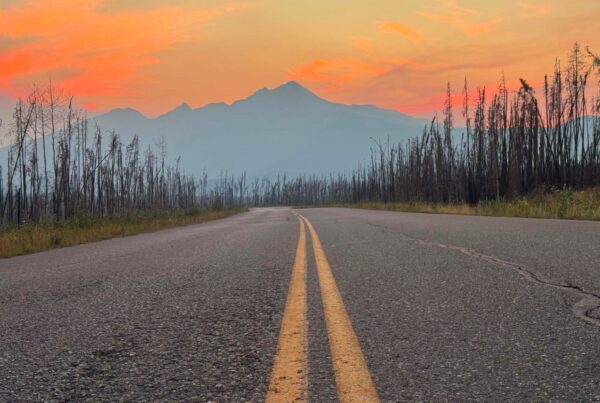
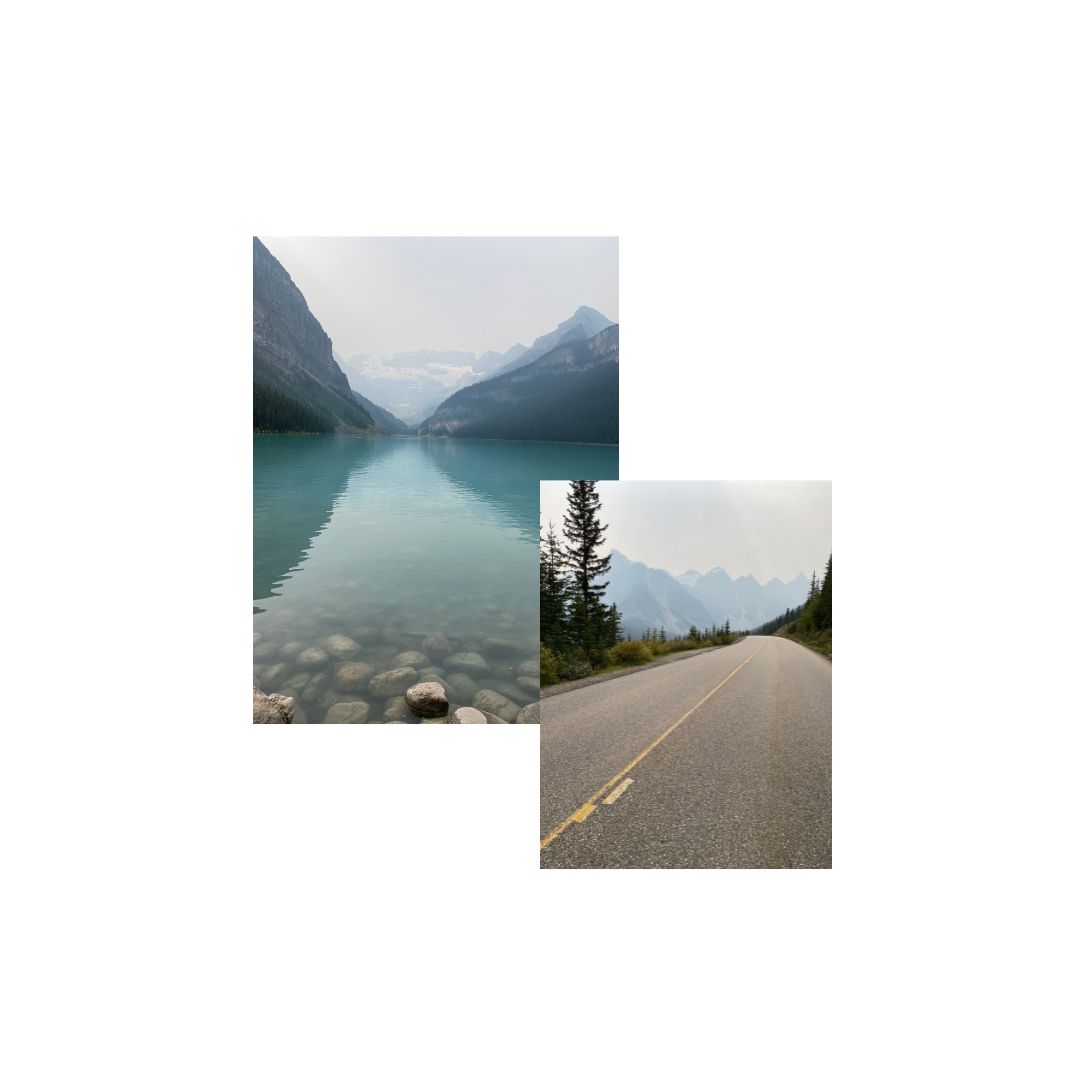
There are plenty of spectacular roads to ride in the Canadian Rockies, but there is something particularly enjoyable about riding a road that has temporarily been handed over to cyclists.
That was the appeal of the Bow Valley Parkway.
Running between Banff and Lake Louise, the 48-kilometre paved route is normally a quieter alternative to the Trans-Canada Highway. But in spring and autumn, Parks Canada restricts personal vehicle access on the eastern 17 kilometres, creating a very different experience for cyclists.
In September 2026, I decided to take advantage of it.
The Start
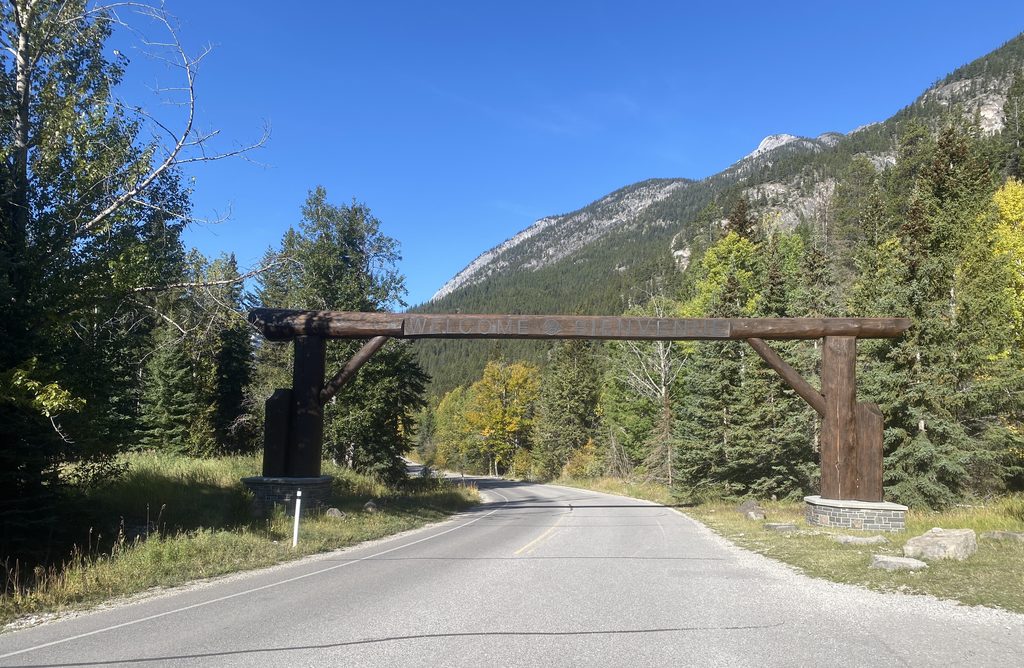
I started the ride in Banff, cycling around the spectacular Vermillion Lakes towards the eastern end of the Bow Valley Parkway.
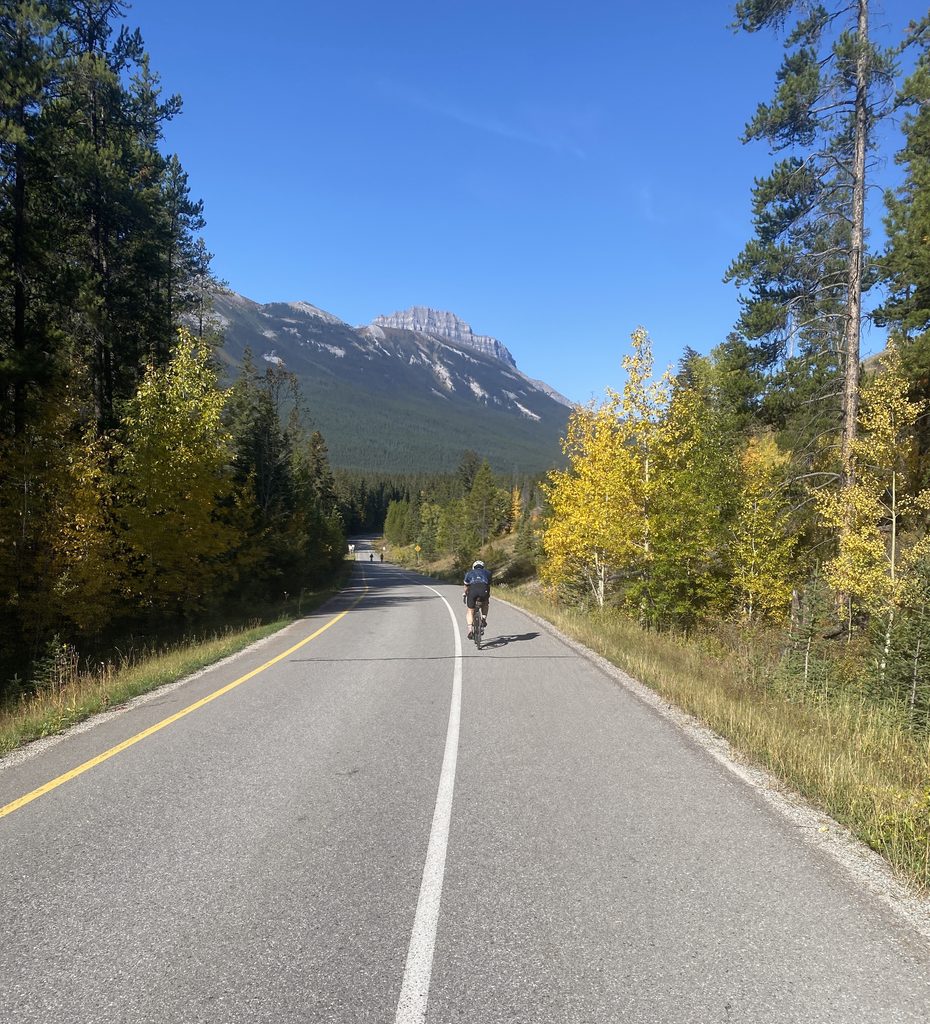
With the road closed to cars, it was just fellow cyclists and the bears! Although I didn’t see any on my journey.
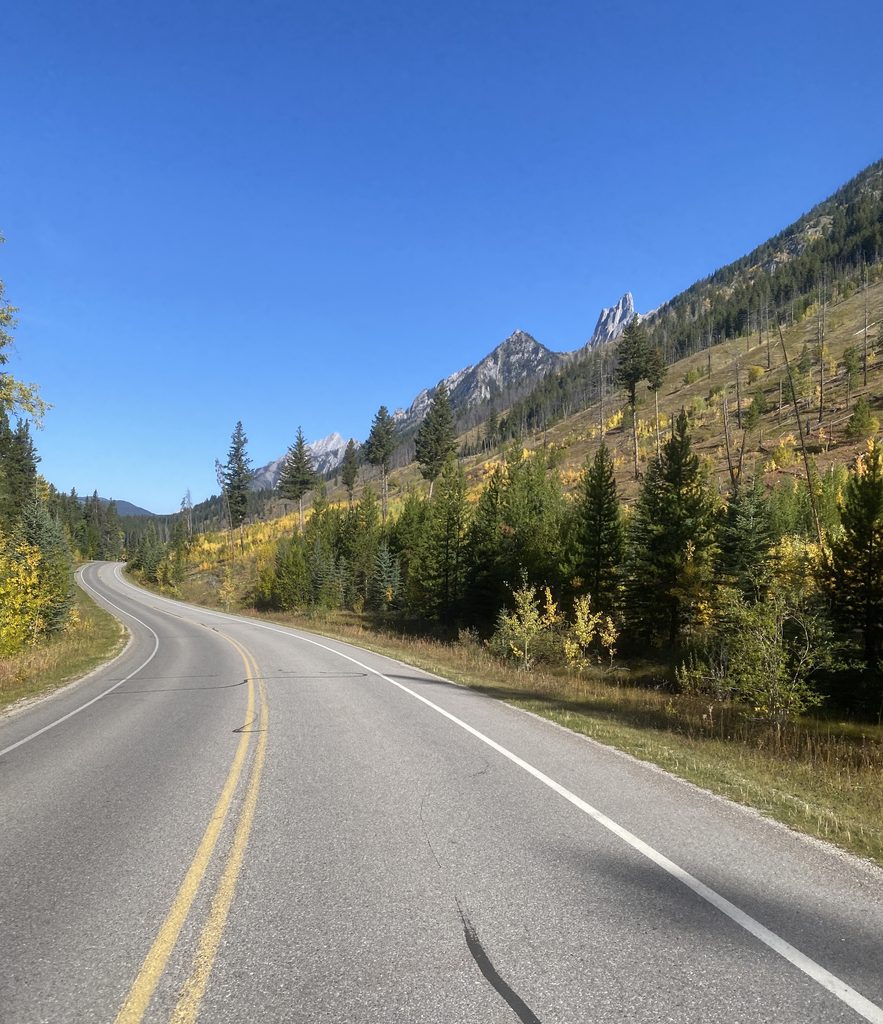
The road winds gently through the Bow Valley, with the mountains appearing through gaps in the trees. It isn’t an intimidating climb, but there is enough elevation gain to make you work without turning the ride into a battle.
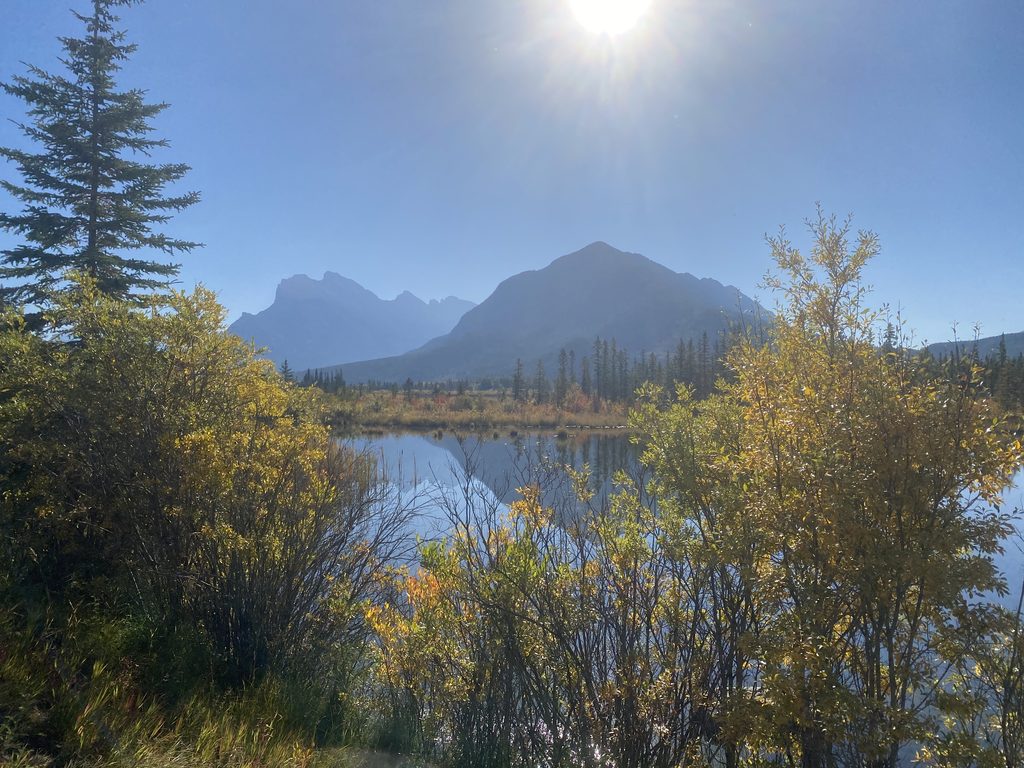
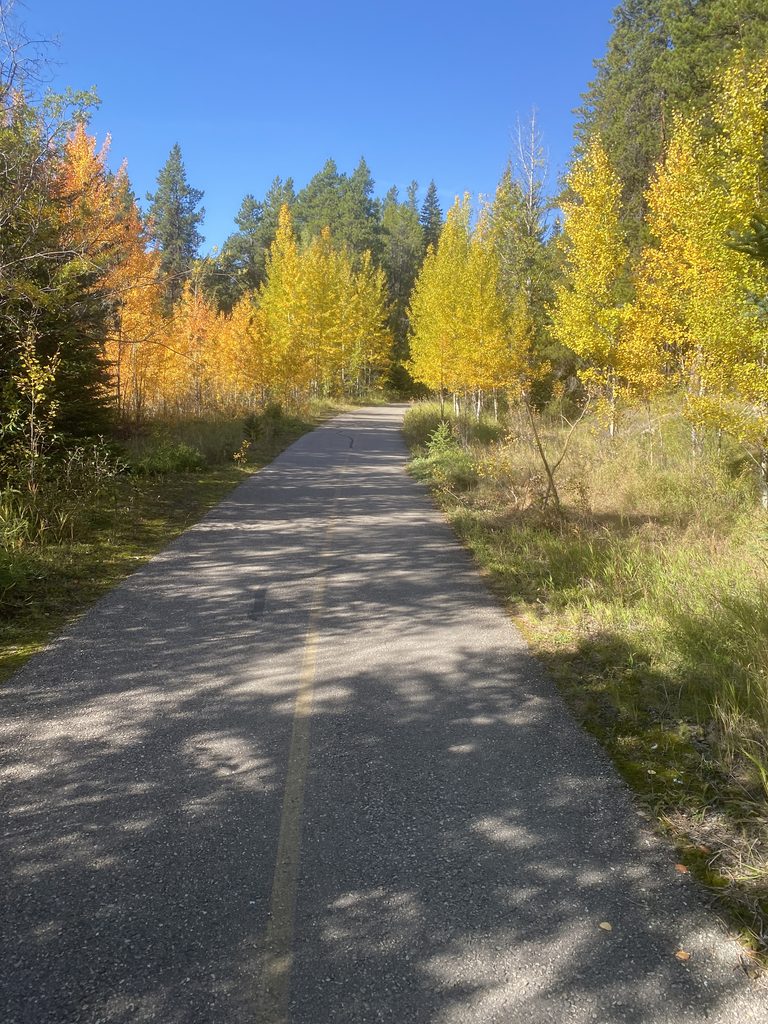
According to Parks Canada, the full ride from Banff to Lake Louise is around 57.5 kilometres one way, with approximately 340 metres of elevation gain, but I was only riding the closed section, 17km to Johnston Canyon and then back.
A Road Made for Looking Around
The Bow Valley Parkway is one of those roads where constantly staring at your Garmin would be a mistake.
The mountains are the attraction.
At times the road disappears into dense forest before opening up again to reveal another enormous Rocky Mountain backdrop. There are regular pull-offs, picnic areas and viewpoints, giving you plenty of excuses to stop.
And stopping is something you should probably build into your ride.
This isn’t a road where you need to average 30 km/h.
It is a road where you can ride for a few kilometres, stop, take a photograph, stare at a mountain for five minutes and then carry on.
Where Are the Cars?
The current cycling offer restricts personal vehicle access between the eastern end of the Parkway and Johnston Canyon during the designated spring and fall periods. In autumn 2026, that restriction runs from September 1 to October 6.
The result is a road that feels considerably more relaxed on two wheels.
Of course, it isn’t completely traffic-free. Parks Canada staff, contractors, emergency services and other authorised vehicles can still use the road.
But compared with riding alongside a busy highway, the difference is substantial.
Wildlife
Then there is the other reason you need to keep your eyes open.
Wildlife.
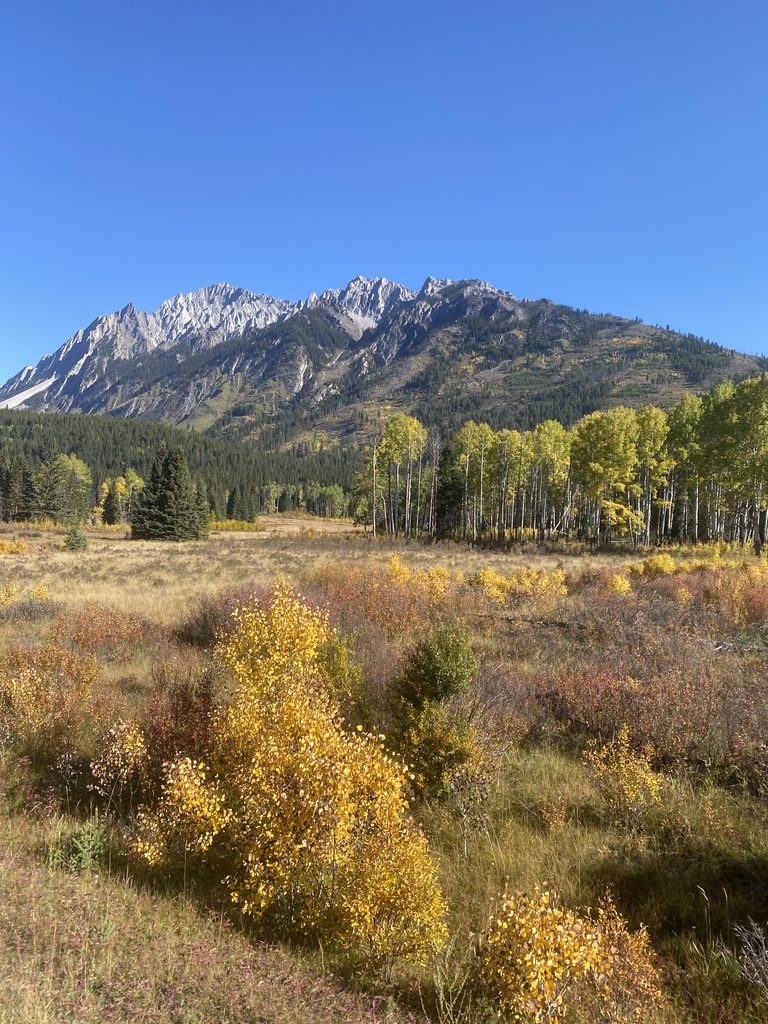
Elk and deer are common in the area, while the wider Bow Valley is home to bears, wolves, cougars and other wildlife, having seen wolves on the road in April, I did keep my eyes peels – the Bow Valley Parkway isn’t somewhere to switch off completely and had my bear spray at the ready.
Johnston Canyon
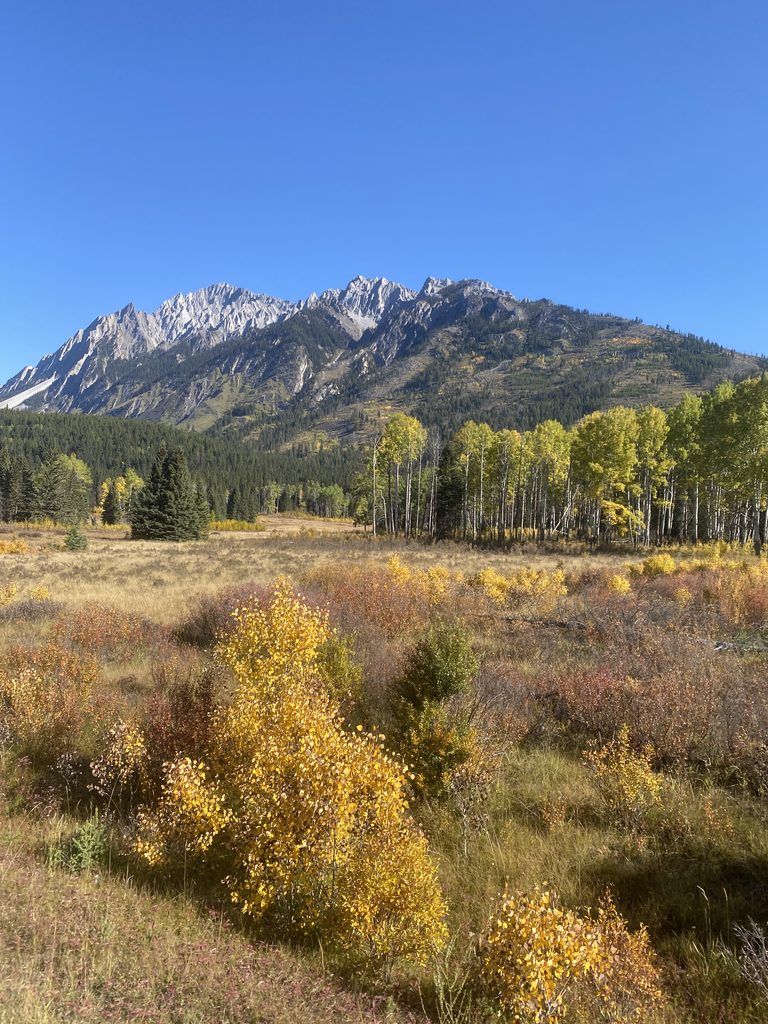
The eastern cycling section finishes at Johnston Canyon, one of the most popular stops along the Parkway.
If you’re looking for a shorter ride, this makes a natural destination.
The beauty of the Parkway is that you don’t have to commit to the full distance.
You can turn around whenever you’ve had enough.
The Ride Back
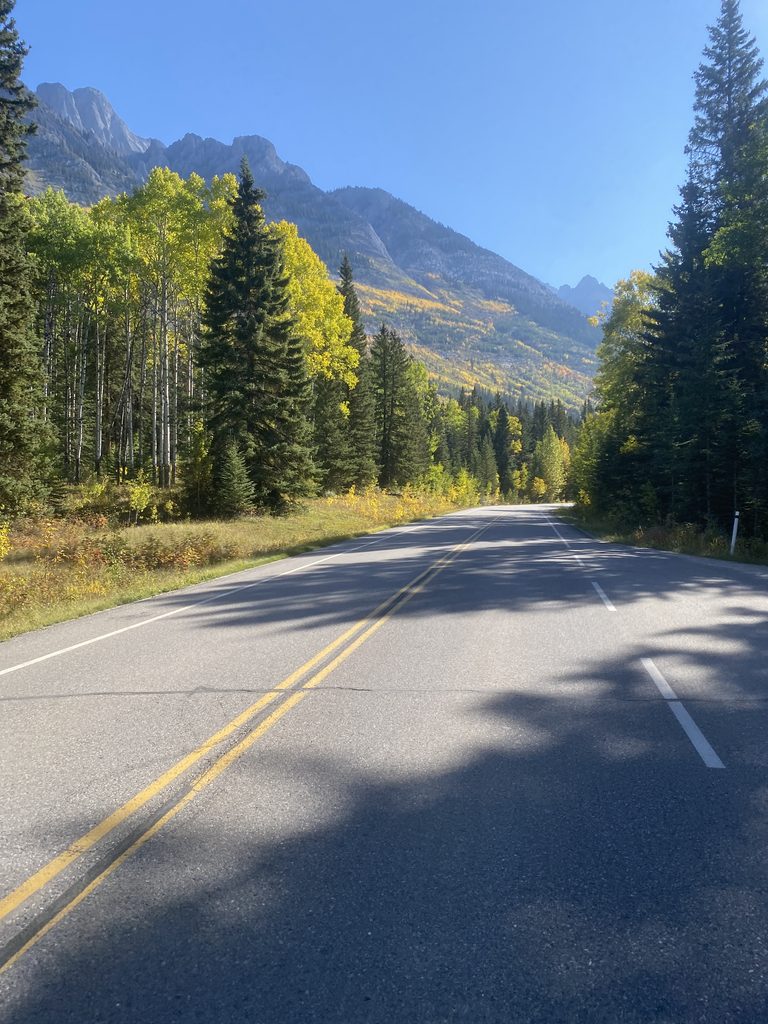
The return journey is where the Parkway really starts to feel like a proper bike ride.
The road rolls through the valley, the scenery changes direction and the mountains you’ve been looking at from one side are suddenly behind you.
It’s also a good reminder that even relatively gentle roads add up.
The Bow Valley Parkway doesn’t have the brutal gradients of some of the Rockies’ more famous climbs, but the distance can still turn a casual-looking ride into a decent day in the saddle.
And that’s probably what makes it so enjoyable.
Norquay
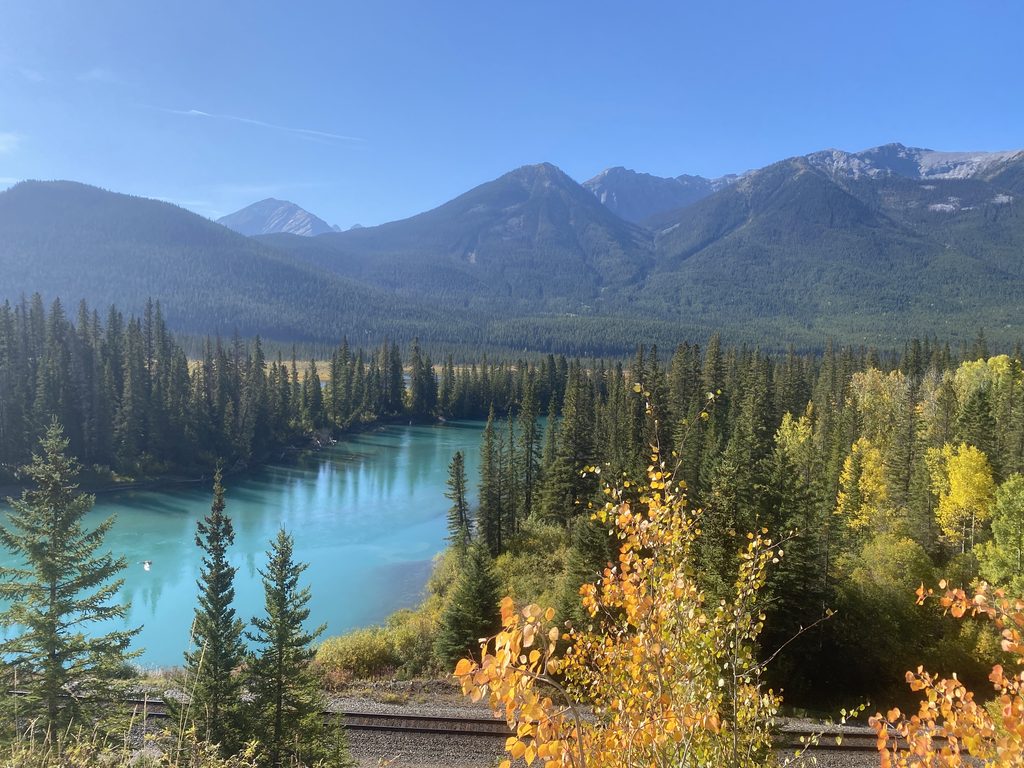
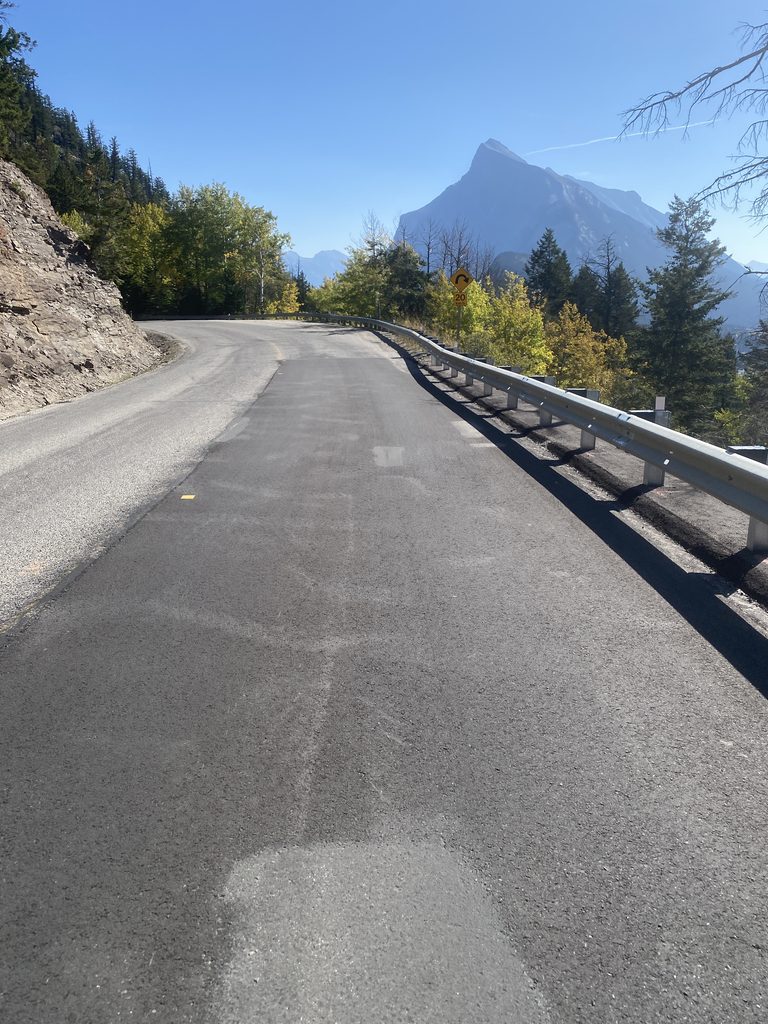
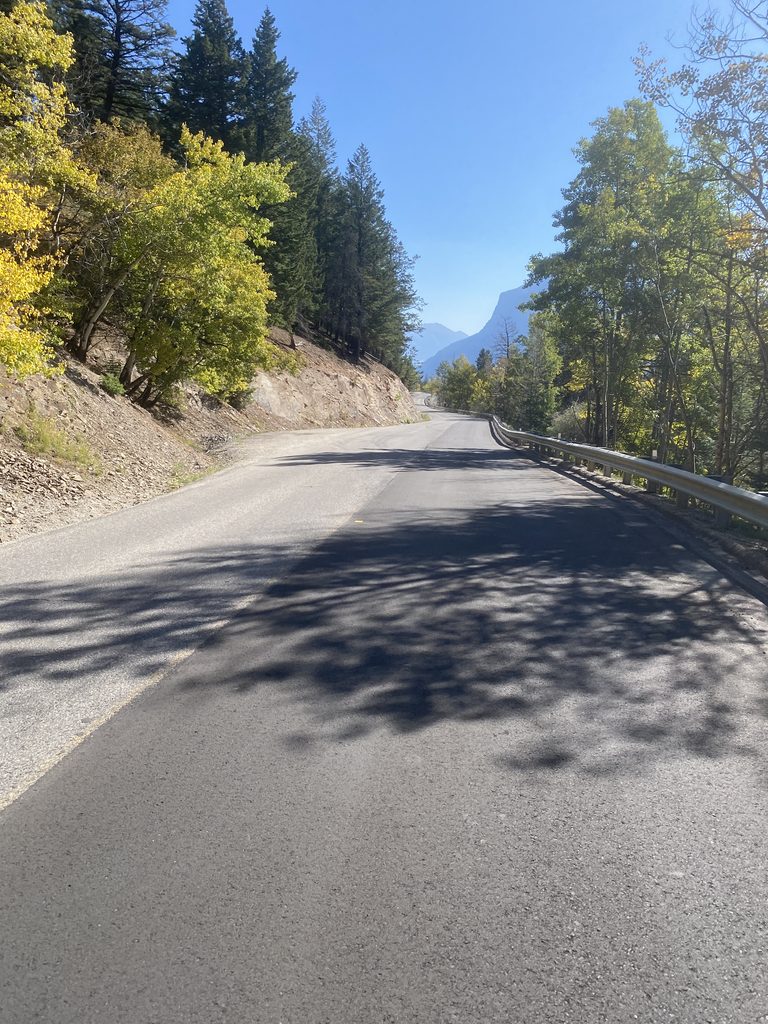
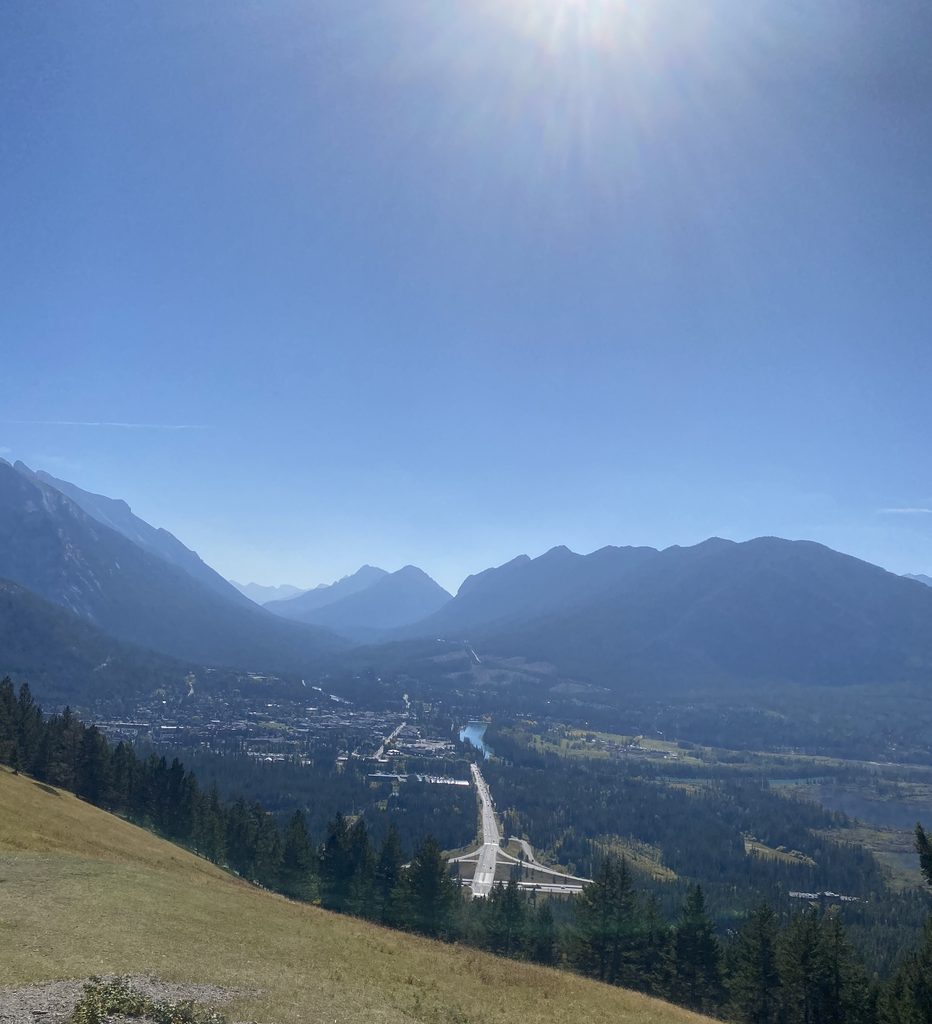
I had to finish the ride with the climb up to Norquay, Banff’s oldest ski hill. The road has multiple switchbacks and is like a mini Alpe du Huez and you are rewarded with a magnificent view of Banff for your efforts.
Summing Up
The Bow Valley Parkway isn’t the hardest ride I’ve done in the Canadian Rockies.
It isn’t the highest.
But it might be one of the most enjoyable next to the Malgine Lake road in Jasper National Park.
There is something special about riding through Banff National Park with the mountains surrounding you, the forest beside you and, during the seasonal cycling offer, far fewer vehicles competing for the same piece of road.
It’s the kind of ride where the photographs almost take themselves.
And that’s probably the best way to describe the Bow Valley Parkway.
You don’t ride it because you need to get somewhere.
You ride it because you want to be there.